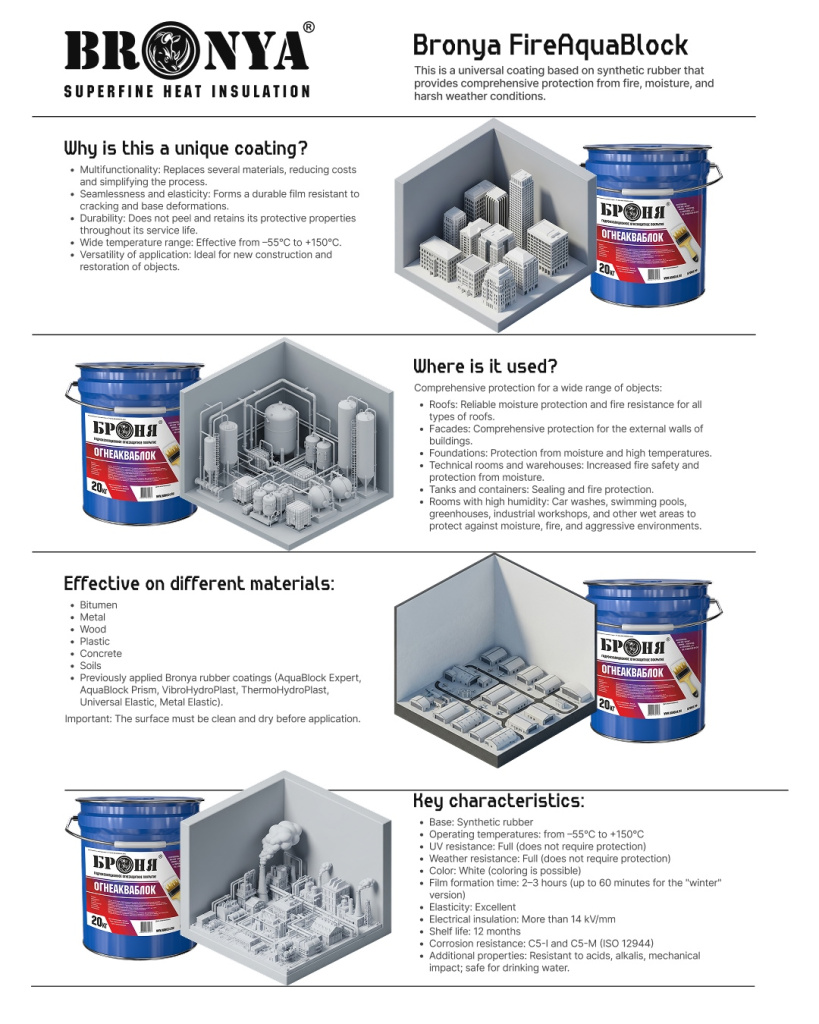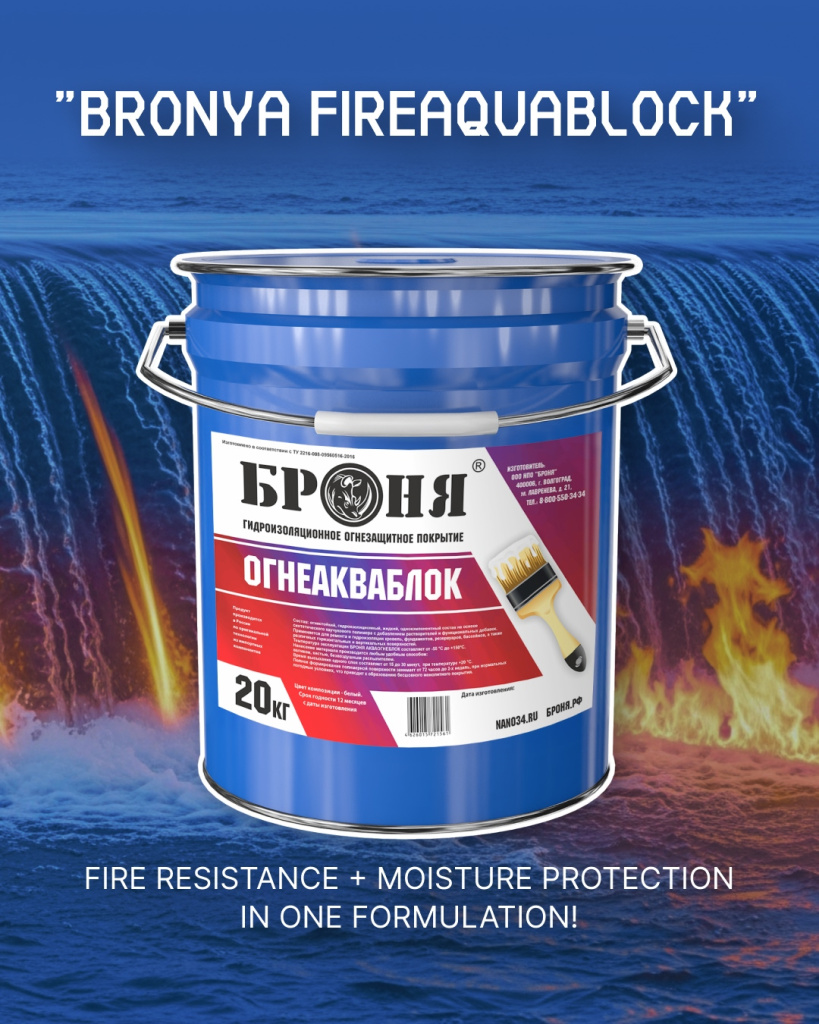


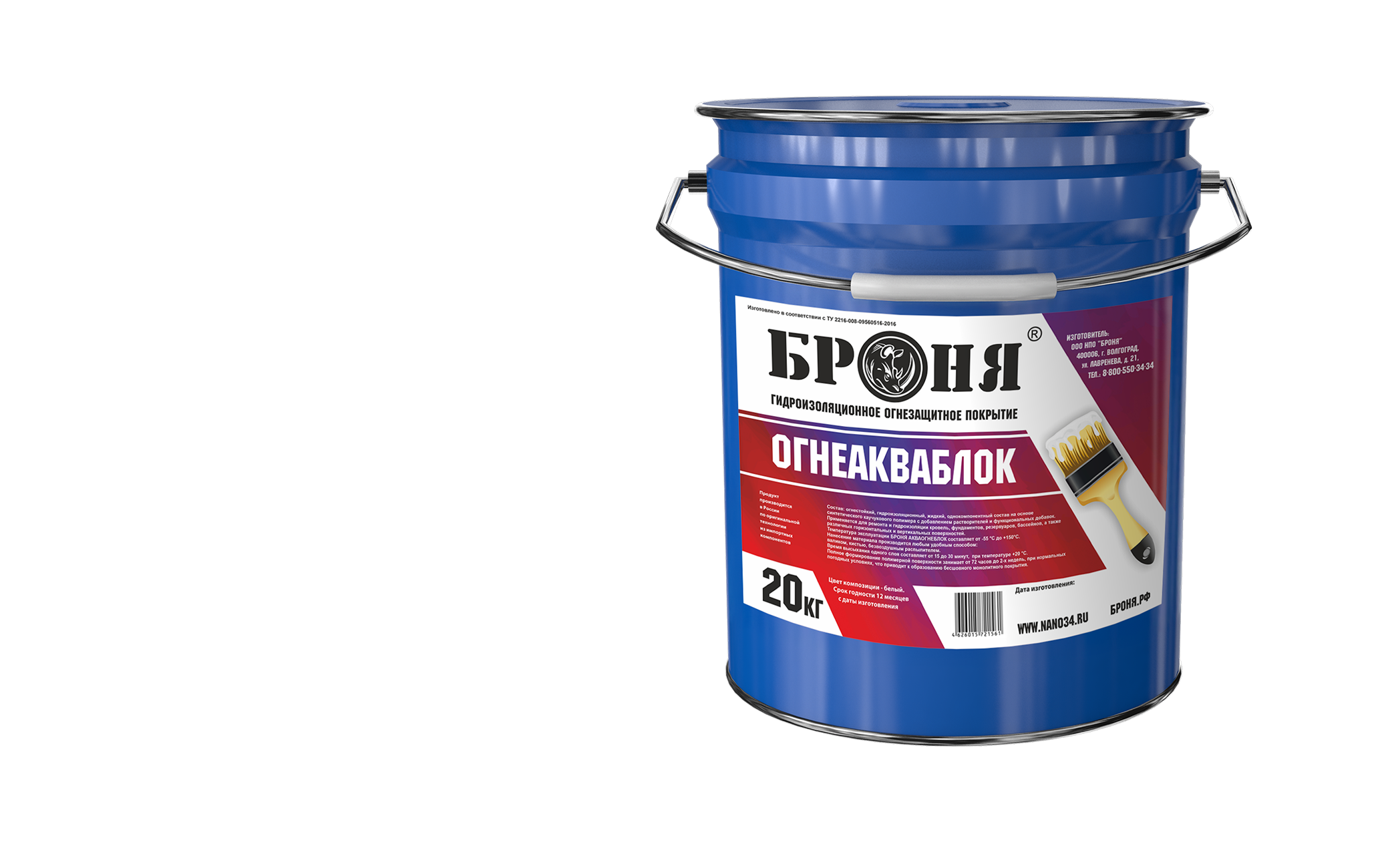
"Bronya FireAquaBlock" is a universal protective coating capable of simultaneously protecting structures from the effects of fire, moisture, and adverse atmospheric conditions, particularly ultraviolet radiation. Its multifunctionality provides comprehensive protection, significantly reducing the need to use multiple different materials. This opens up opportunities for creating fundamentally new solutions, such as, for example, a completely non-flammable roof.
"Bronya FireAquaBlock" forms a seamless, durable, and elastic film that is completely resistant to cracking. Thanks to its unique structure, the coating withstands deformations of the base, does not peel over time, and is guaranteed to retain its protective properties throughout its entire service life, making it an ideal solution for both new construction and the restoration of existing objects.
The material is designed for effective performance in a wide temperature range (from –55°C to +150°C) and is ideally suited for any climatic zone—from cold regions to areas with high temperatures and humidity.
Areas of Application
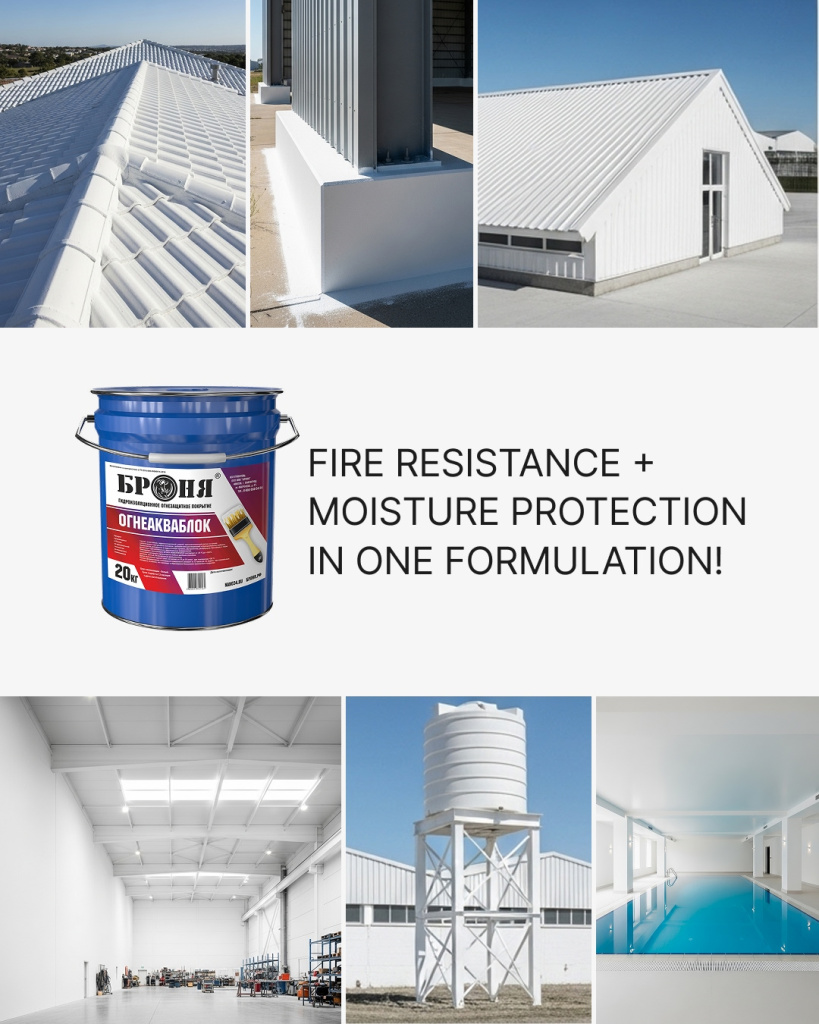
"Bronya FireAquaBlock" is suitable for a wide range of objects requiring comprehensive protection:
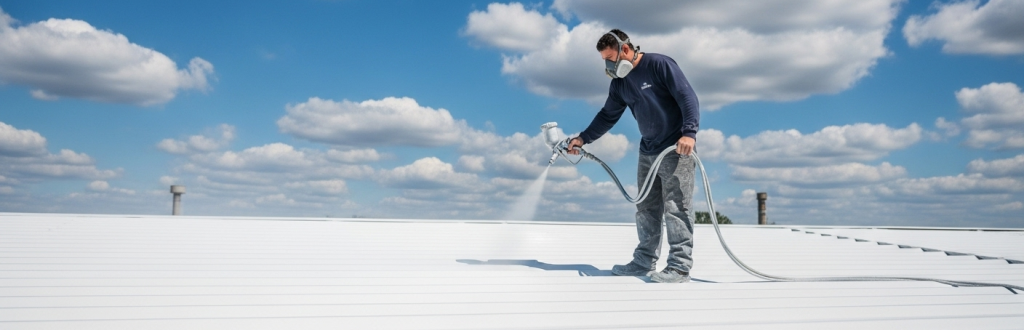
· Roofs: Reliable waterproofing and fire resistance for all types of roofs.
· Foundations: Protection from moisture and high temperatures.
· Facades: Comprehensive protection for external building walls.
· Technical Rooms and Warehouses: Increased fire safety and protection from moisture.
· Tanks, Pools, and Containers: Sealing and fire protection.
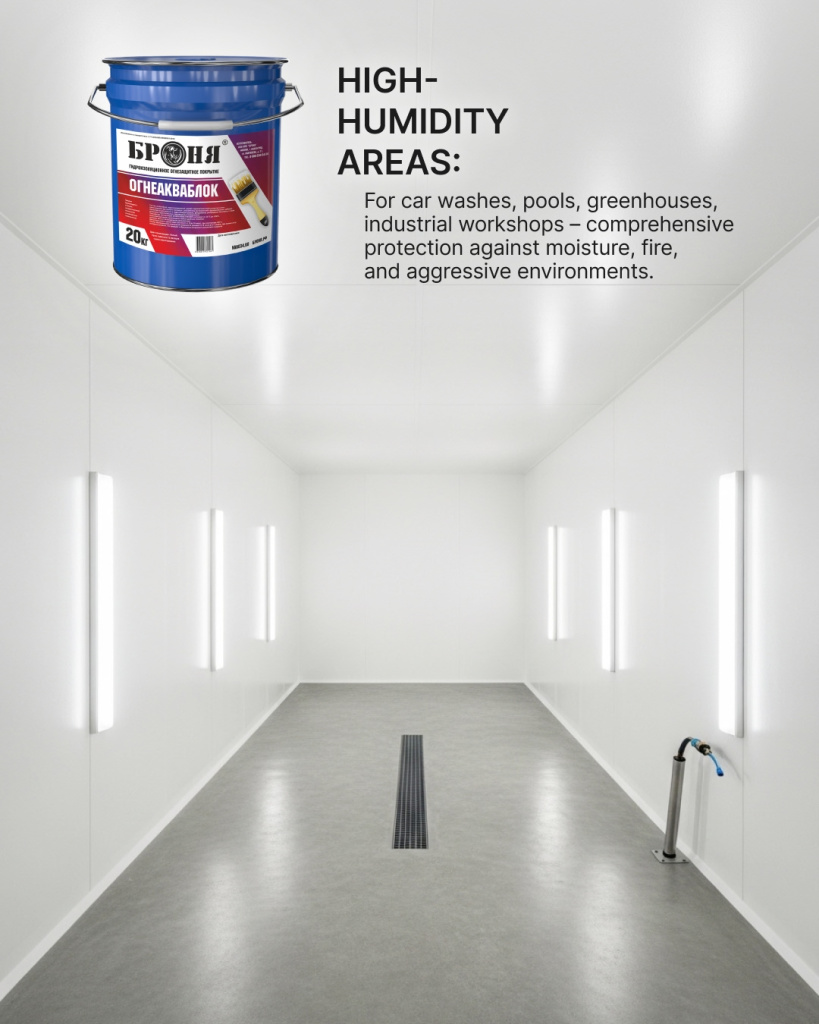
· Rooms with high humidity: Car washes, swimming pools, greenhouses, industrial workshops, and other wet areas for protection against moisture, fire, and aggressive environments.
Ease of Application
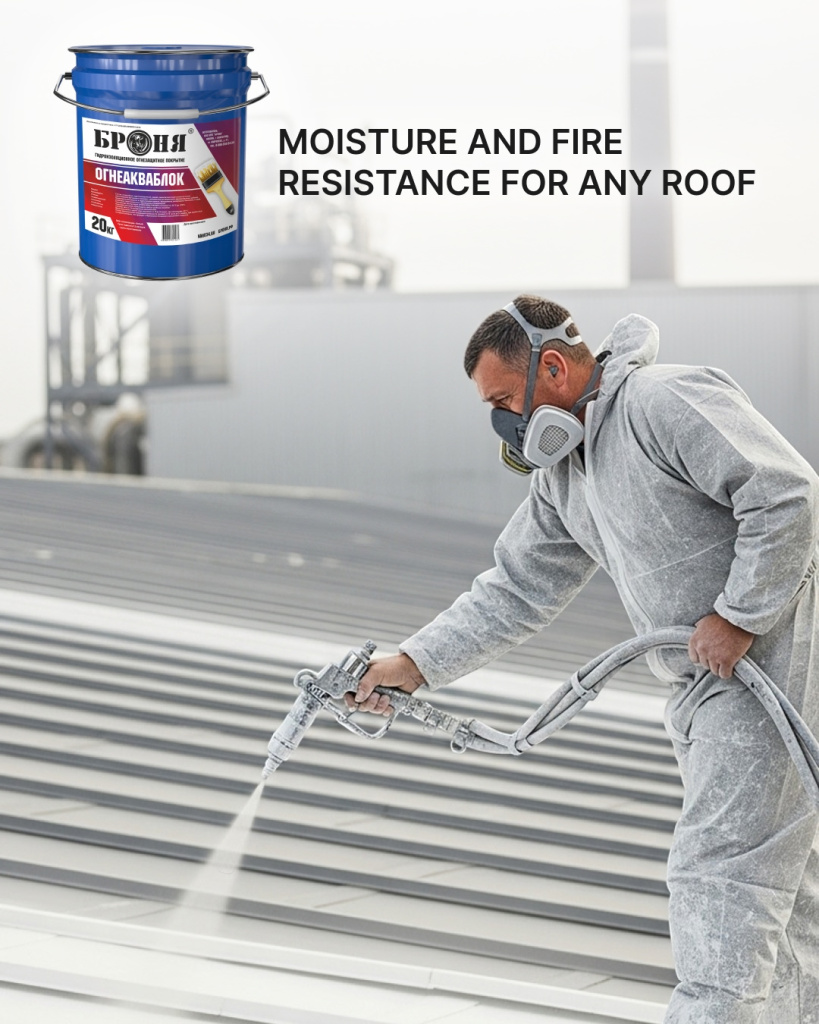
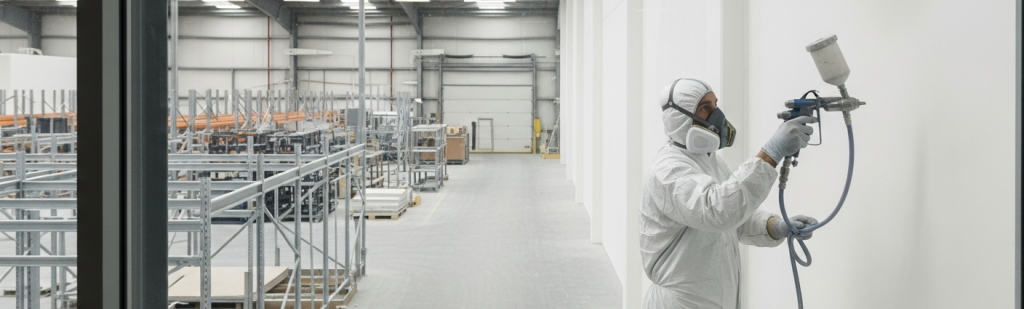
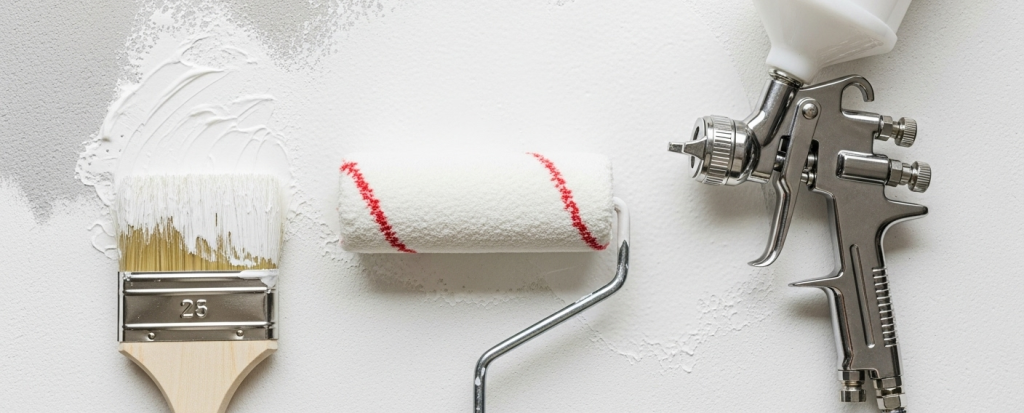
Applying "Bronya FireAquaBlock" is extremely simple and convenient. The composition can be applied using:
· Brush
· Roller
· Airless sprayer
Application and Recommendations
"Bronya FireAquaBlock" is supplied ready to use. Additional thinning is generally not required. The composition is easily applied to any structure with a brush or an airless sprayer.
The coating can be applied to a wide range of surfaces, including bitumen, metal, wood, plastic, concrete, styrofoam, polystyrene foam, polyurethane foam, PVC membrane, as well as previously applied rubber coatings. Before application, ensure the surface is clean and dry, free of dust, dirt, or grease. For metal surfaces, it is important to remove rust, then clean and degrease. Since "Bronya FireAquaBlock" provides complete waterproofing and has high weather resistance, it does not require additional priming or a top coat on most surfaces.
Application of "Bronya FireAquaBlock" can be carried out in a wide temperature range—from –5°C to +40°C. It is important to avoid application during precipitation. After drying, a seamless, elastic, and durable coating is formed, which does not peel or crack in conditions from –55°C to +150°C.
Compatibility with other "Bronya" coatings
"Bronya FireAquaBlock" is suitable for a wide range of objects requiring comprehensive protection:
In combination with other "Bronya" products, it can impart non-flammability and fire resistance properties to roofs, foundations, and other structures previously waterproofed with other "Bronya" rubber coatings ("Bronya AquaBlock Expert", "Bronya AquaBlock Prism", "Bronya VibroHydroPlast", "Bronya ThermoHydroPlast", "Bronya Universal Elastic", and "Bronya Metal Elastic").
Safety Measures and Disposal
When working with "Bronya FireAquaBlock," it is recommended to use standard personal protective equipment: protective clothing, gloves, and a respirator.
WHEN WORKING INDOORS, IT IS EXTREMELY IMPORTANT TO ENSURE EFFECTIVE VENTILATION.
Avoid contact with skin or eyes. If contact with skin occurs, wash thoroughly with soapy water. If it gets into the eyes, rinse immediately with plenty of clean water and seek medical attention if necessary.
It is recommended to clean tools and equipment contaminated with the composition with a suitable solvent immediately after use. Spilled material should be covered with sand or another absorbent, then disposed of as regular construction waste. The container from the material is also to be disposed of as household waste.