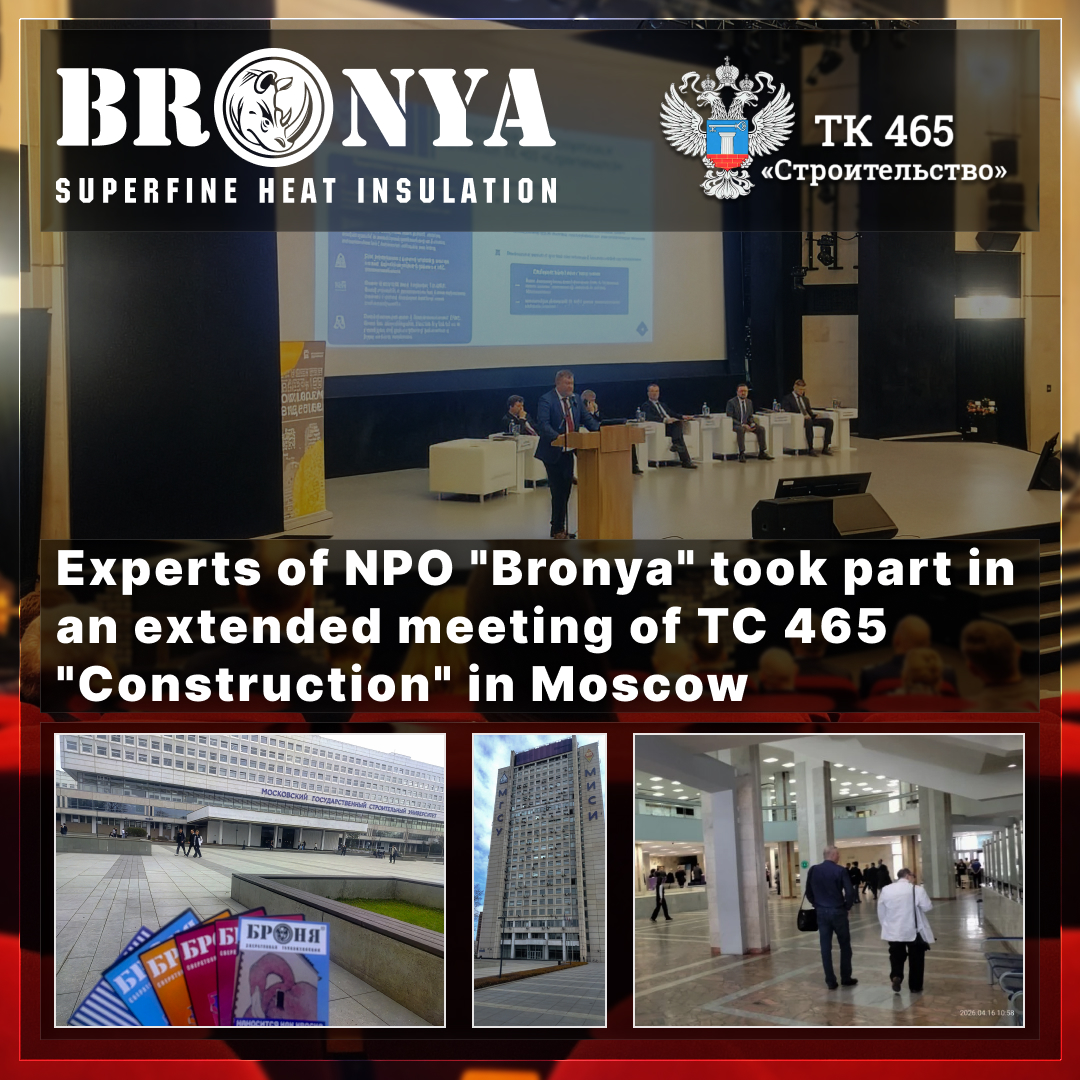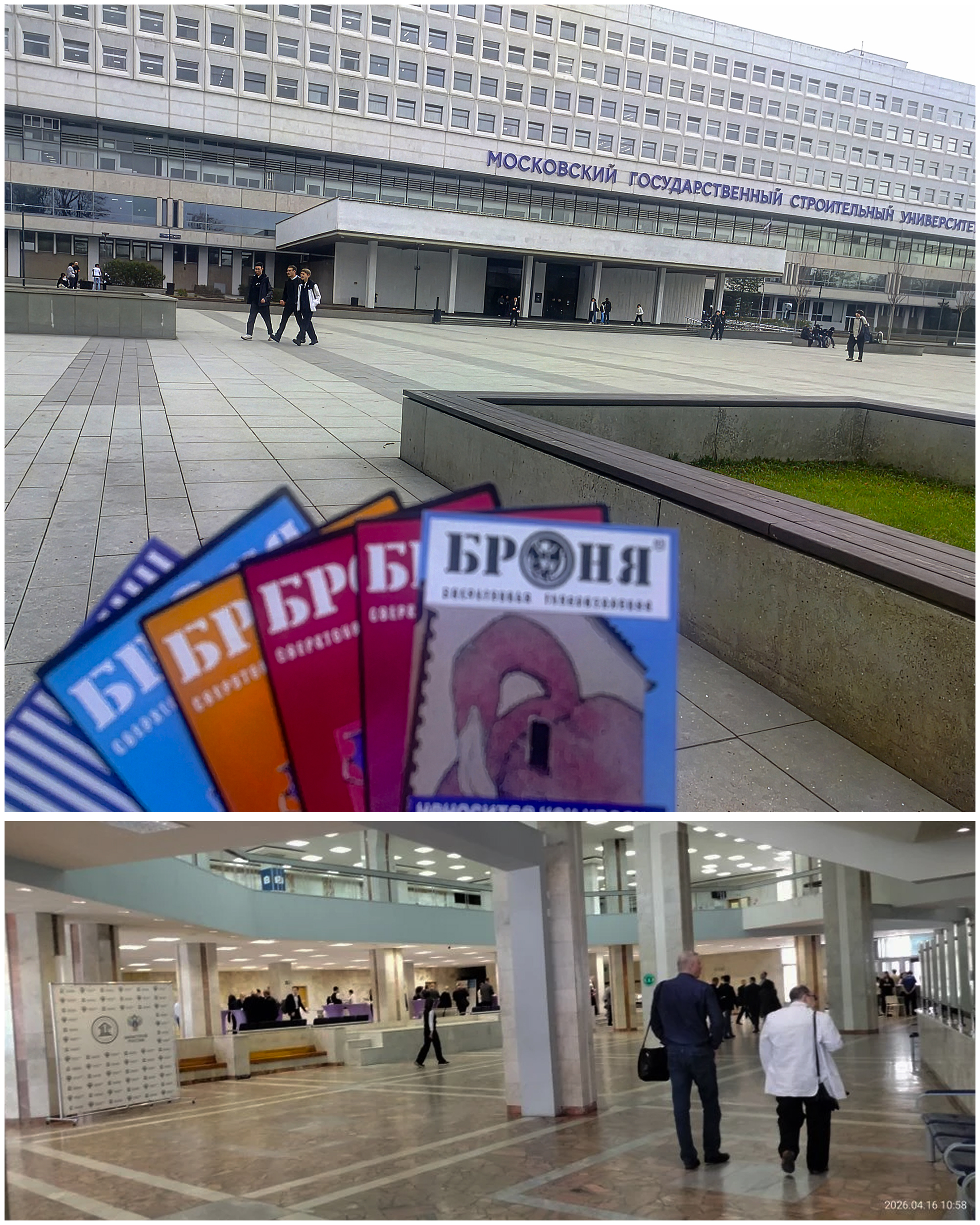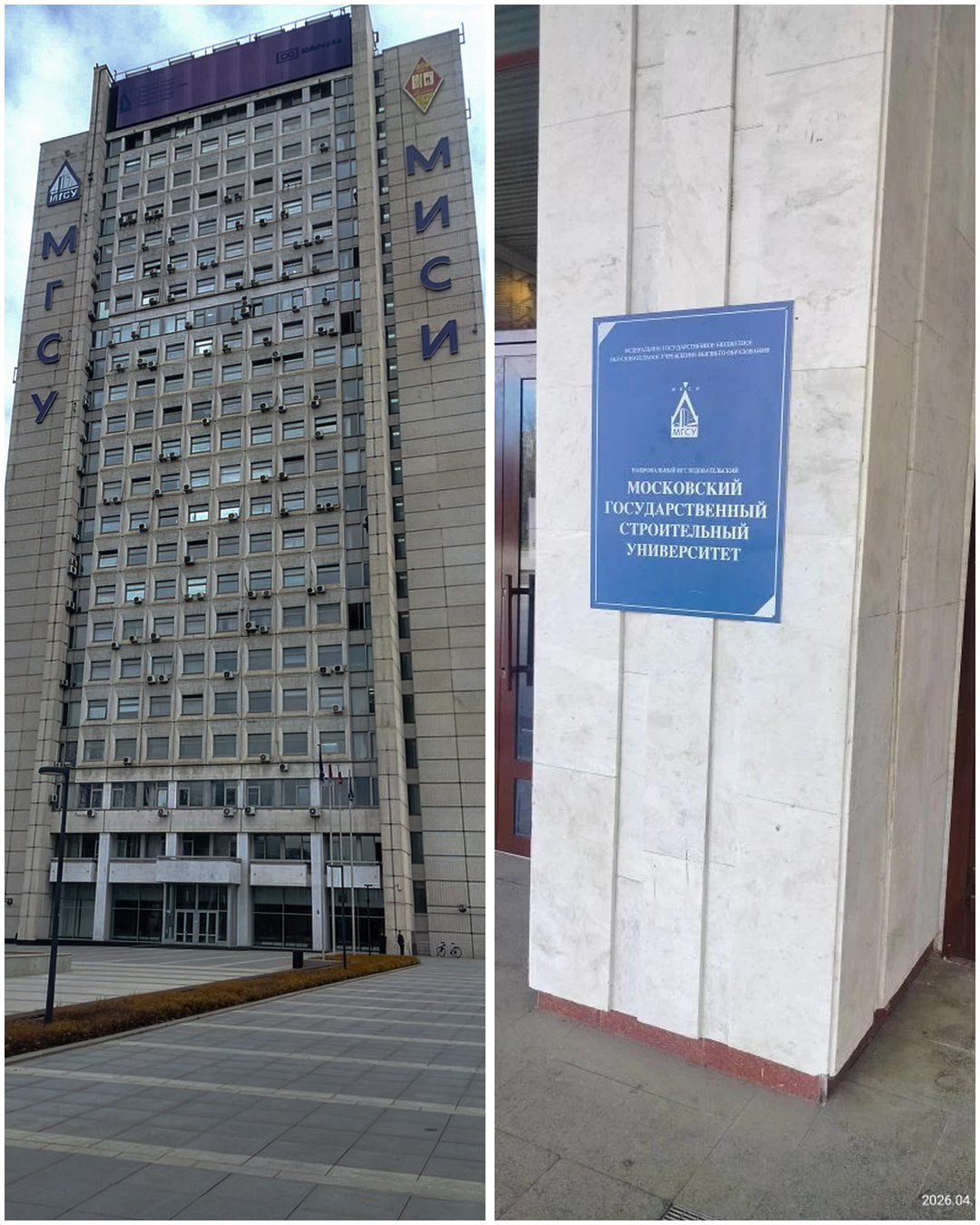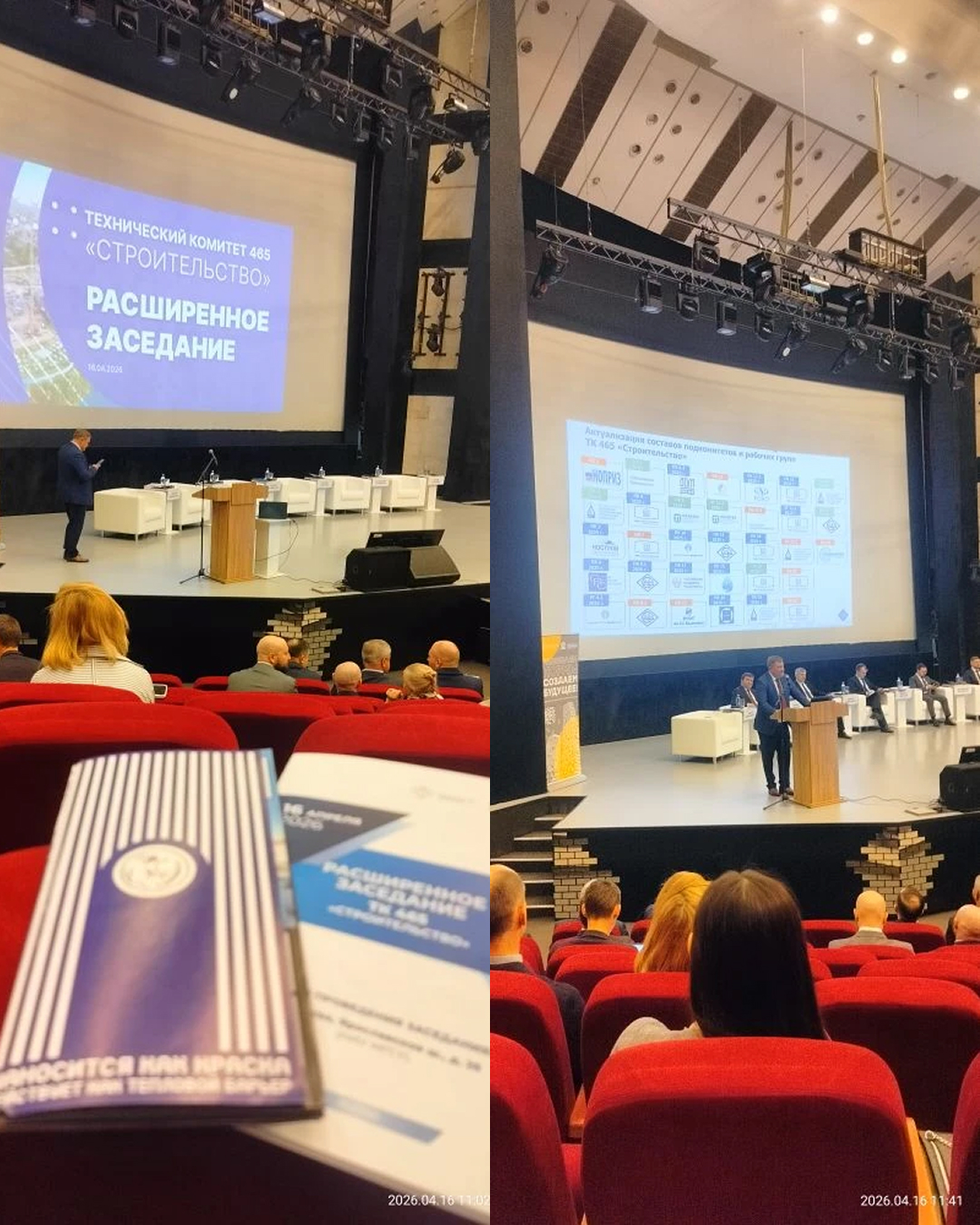


On April 16, a significant event for the construction industry took place in Moscow at the Moscow State University of Civil Engineering (MGSU) — an in-person extended meeting of the Technical Committee for Standardization 465 "Construction".
Official representatives of NPO "Bronya" participated in the meeting as invited experts of Subcommittee 8.3 "Green Construction". Participation in such initiatives is a natural step for our company, as NPO "Bronya" holds an international environmental certificate and firmly stands guard over the principles of sustainable development and ESG.
During the event, the most important development vectors of the construction industry in Russia were discussed. In particular, the following statement was made at the meeting:
"Construction in the Arctic is one of the committee's priorities."
For NPO "Bronya", the Arctic direction has long been one of the key areas. Our products, especially the winter "NORD" modifications (Bronya Extra NORD, Lite NORD, Fire Protection NORD, and others), are specially designed for application at subzero temperatures down to -35 °C, making them indispensable in the conditions of the Far North.
The committee paid special attention to digitalization and the future of design. It was stated at the meeting: *"Automated design without human participation is a development perspective for the next 4-5 years. The machine will replace designers, and the committee will discuss it."* Our company is fully prepared for this technological revolution. All "Bronya" thermal insulation coatings are already included in the Classifier of Construction Resources (FGIS CS) of the Ministry of Construction of the Russian Federation and the State Elemental Estimated Standards (GESN). This means that for both current design engineers and future automated systems, the use of our products is already priced and maximally transparent.
NPO "Bronya" continues to confirm its industry leader status by actively participating in the formation of new quality standards. Our products are not just applied like paint and act as a thermal barrier, but also meet the boldest challenges of future construction science.