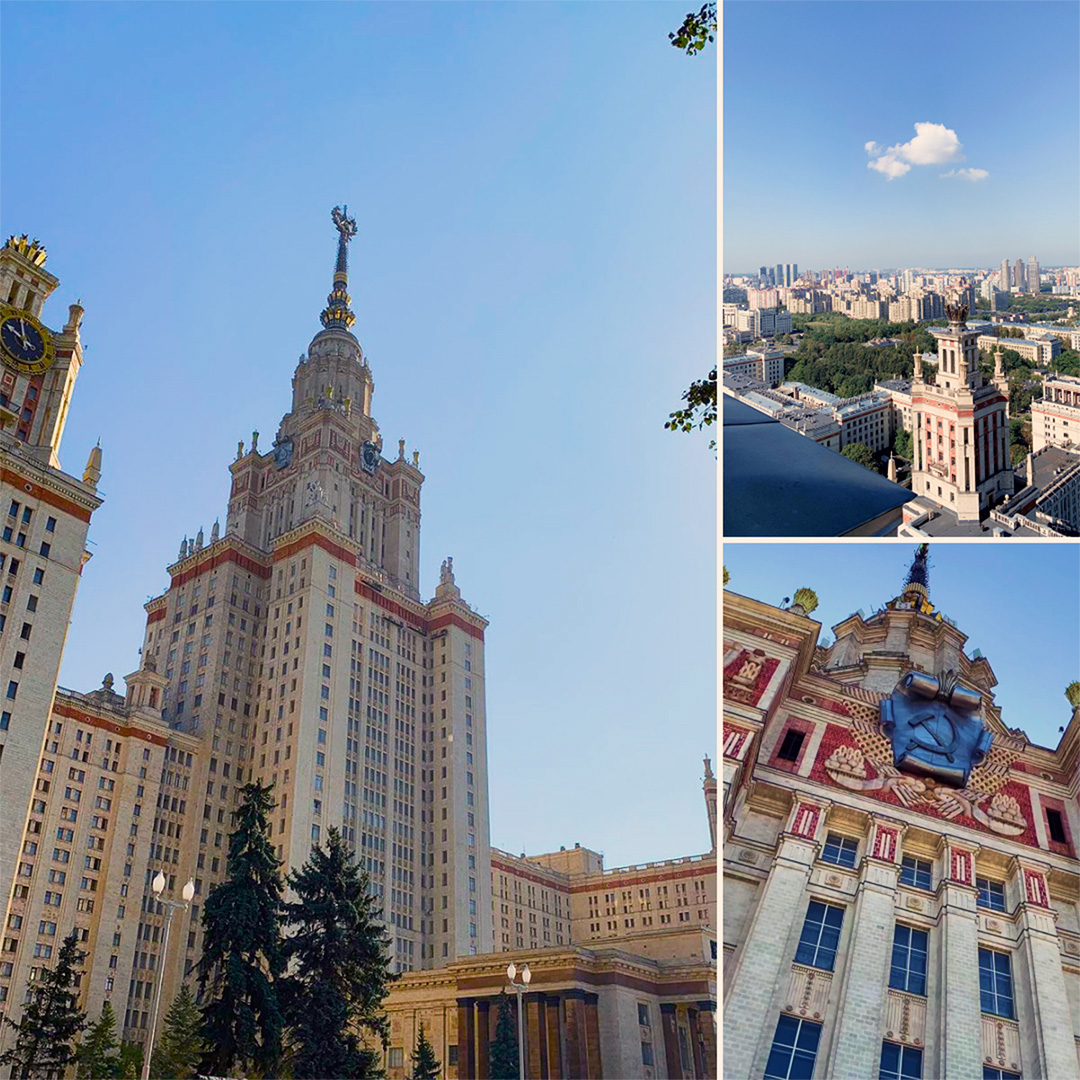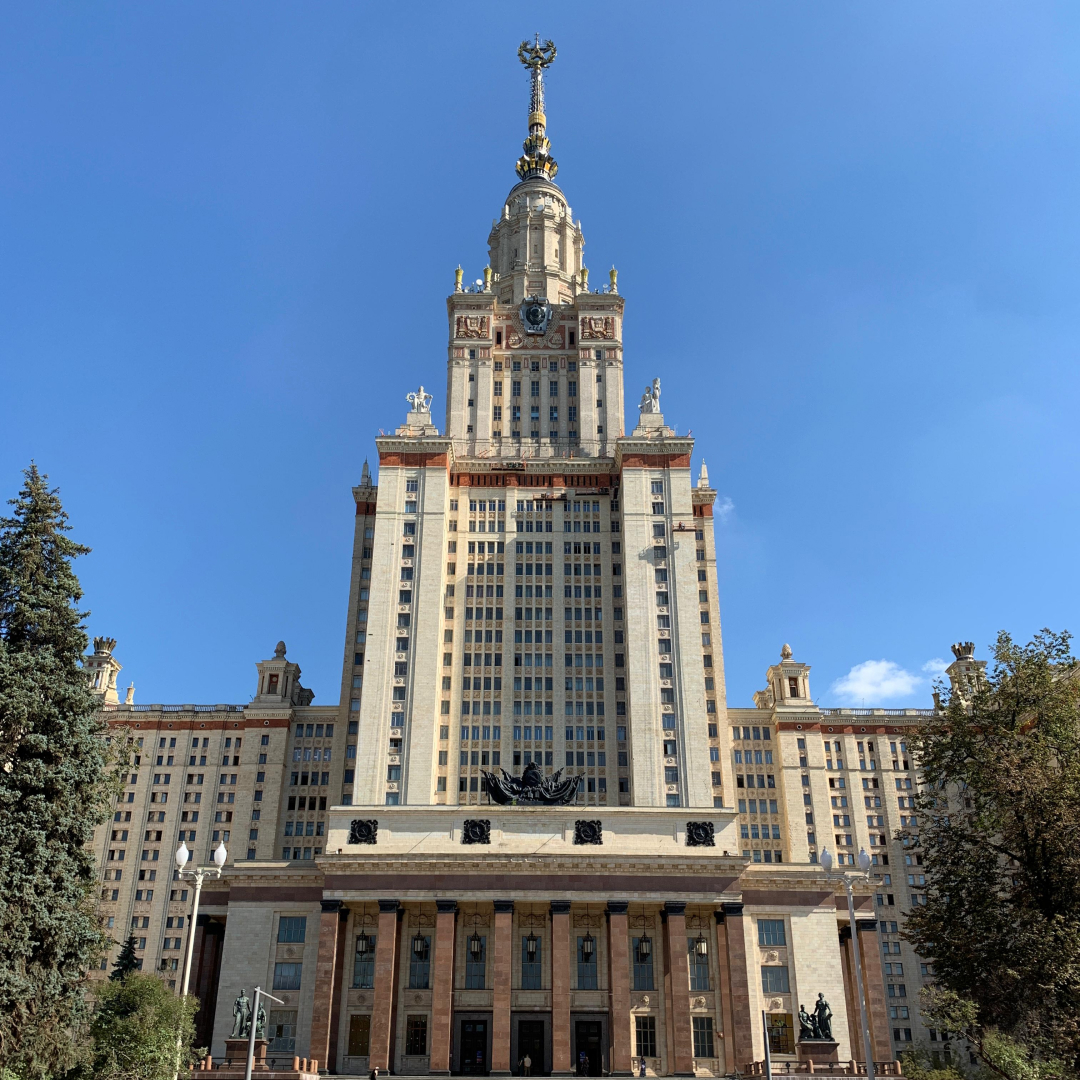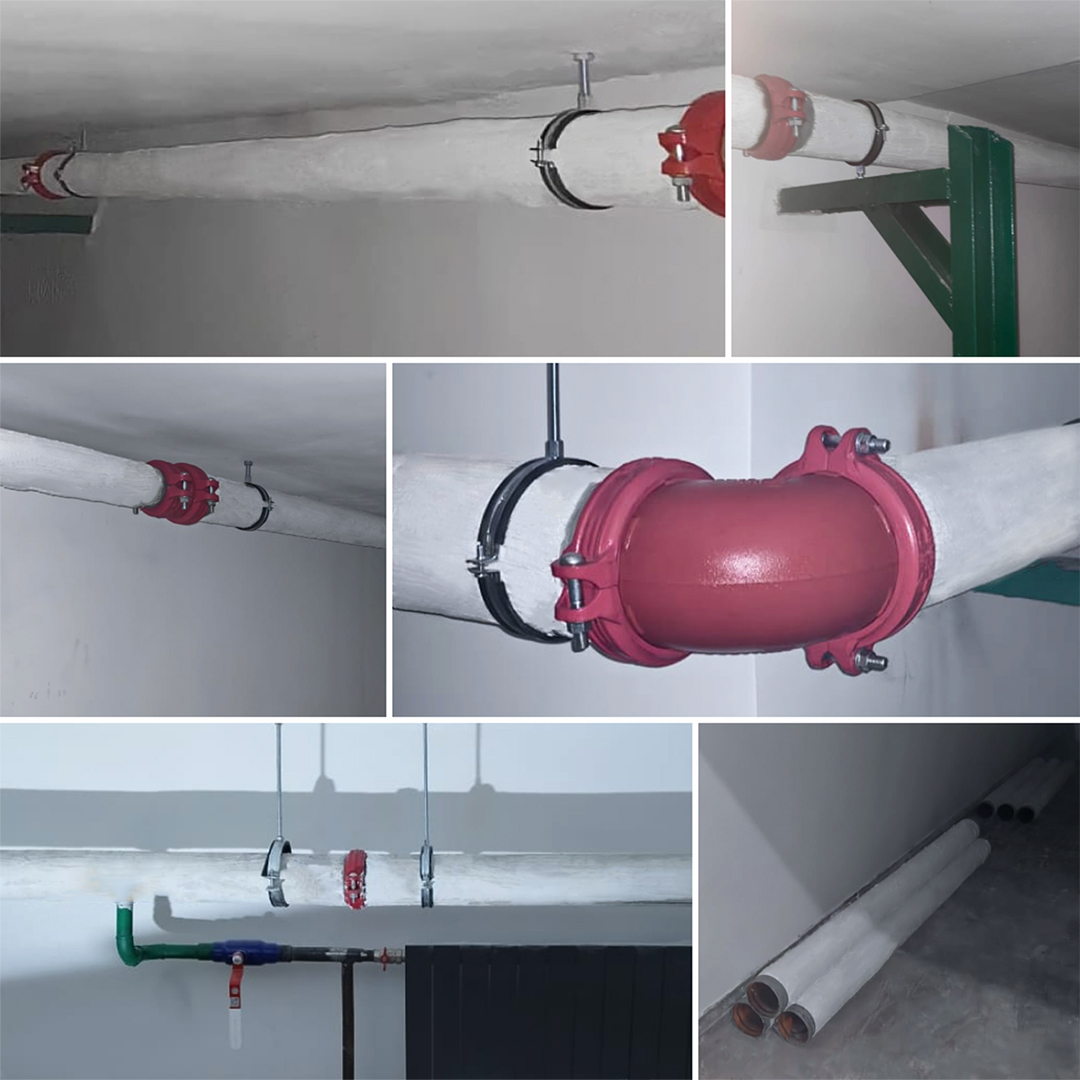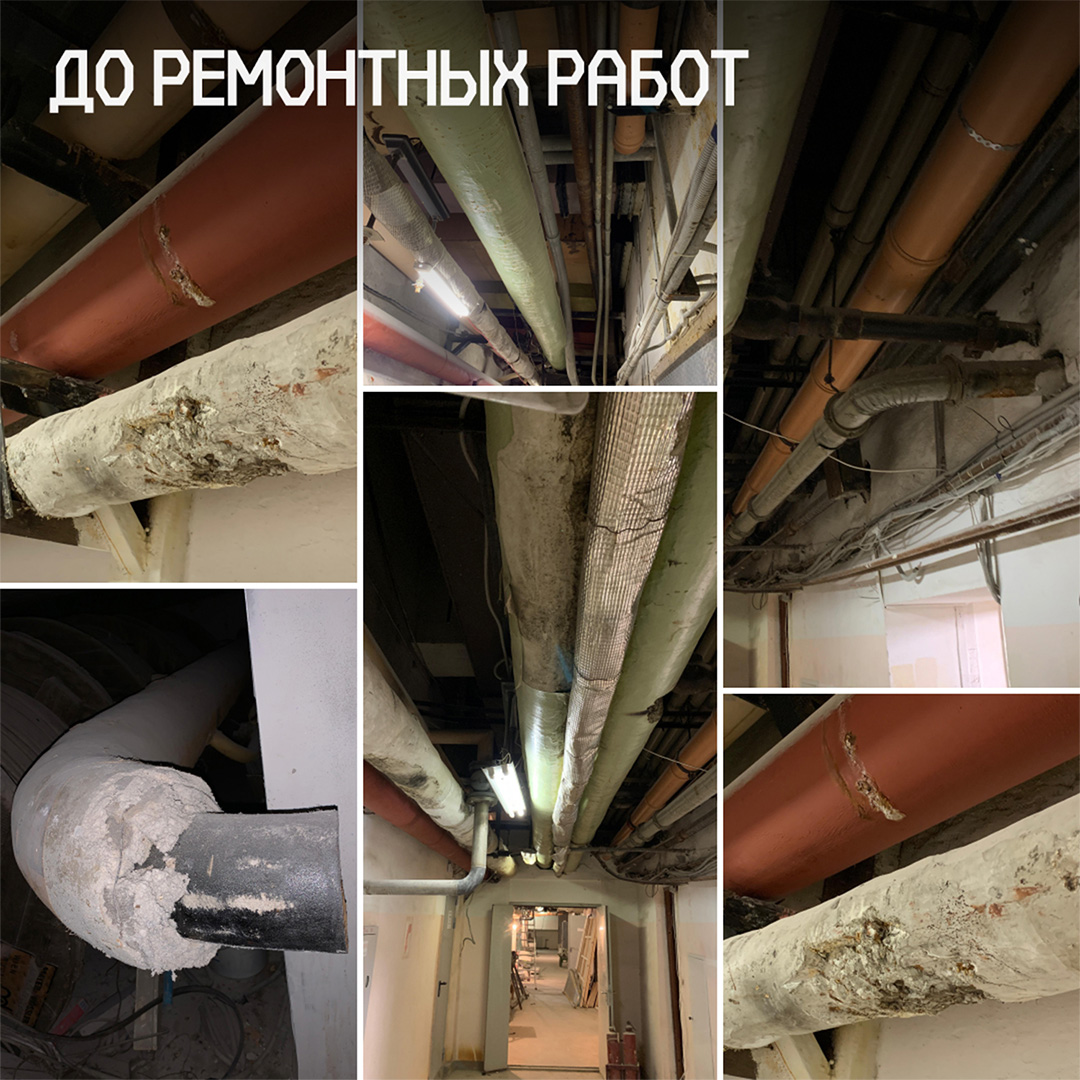

Dear colleagues, friends, we are sharing with you the joyful news - the completion of work at, perhaps, one of our most impressive clients - the replacement of thermal insulation of all heating and water supply systems at Moscow State University.
Moscow State University named after M.V. Lomonosov (MSU) is a federal state budgetary educational institution of higher education. It is one of the oldest and largest classical universities in Russia, one of the centers of Russian science and culture, founded in 1755. The university's motto is: "Science is a clear knowledge of truth, the enlightenment of the mind." The main building of MSU is one of the seven Stalinist skyscrapers, grandiose architectural projects built in Moscow in the post-war period. These buildings, combining elements of neoclassicism and Gothic, became symbols of the Soviet era and demonstrate the ambitious scale of Stalinist architecture.
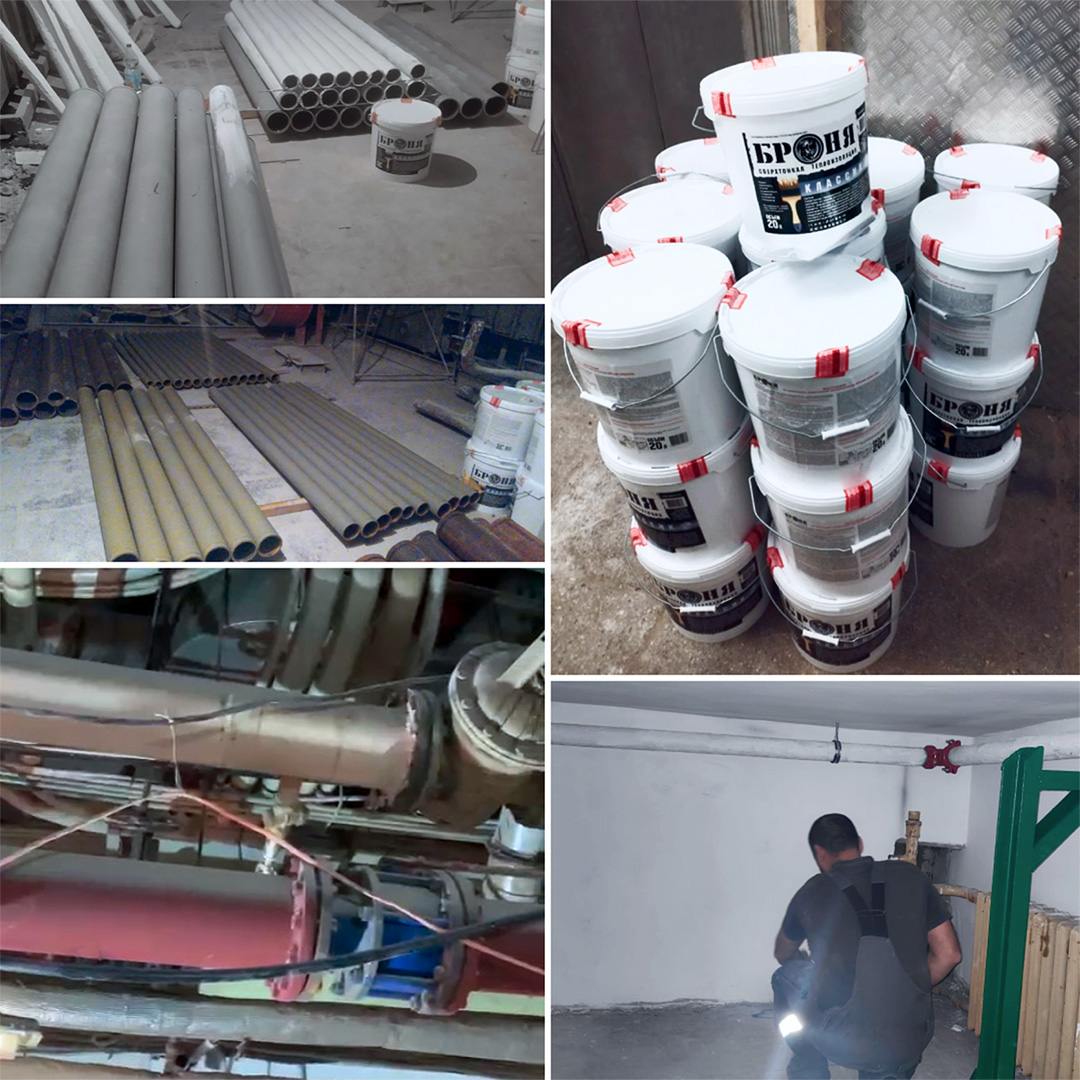
Just think, in some areas, the thermal insulation of the pipes has not been changed since the building's construction. Why? During the inspection, two amazing things were revealed: firstly, some branches of the pipeline risers were practically not subject to corrosion (apparently some kind of special steel), and secondly, it turned out that almost al l of the previous original thermal insulation was carried out with a mixture that was similar in structure to natural (sheep's?) wool and something like alabaster. Unknown technologies even for our seasoned specialists. The total length of all pipelines under insulation was several kilometers, and the average thickness of the Bronya coating was 2 mm. Several types of Bronya application were used:
- Application in the form of coating on existing pipelines,
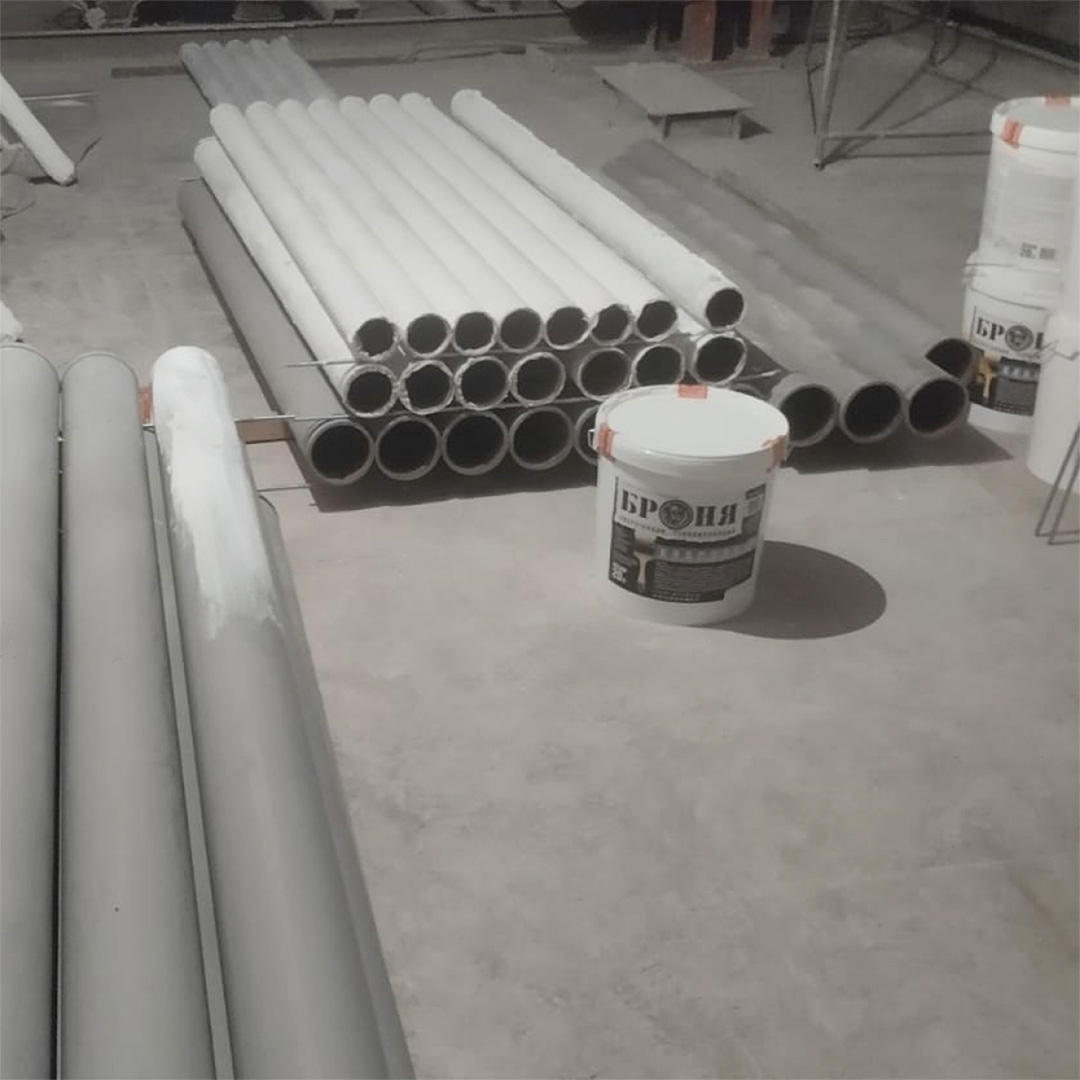
- Coating on new primed pipes before installation with subsequent installation,
- And the use of Bronya coating in conjunction with, or rather, before insulating shells (where, according to the total thermal calculation analysis, super-high thermal resistance indicators were needed). It is worth noting that the material has passed all stages of expert review at this site. By the way, one of the tasks set by the engineering service of the university's operational administration is, among other things, a projected service life of the thermal insulation inside the building of at least 40-50 years (and ideally, no less than our predecessor from the USSR - 70 years). Without a doubt, we can say that this is one of the most responsible and significant projects in our portfolio.

«Volgograd Innovation Resource Center»
Russian Federation, Volgograd, Batalionnaya St., 13A